
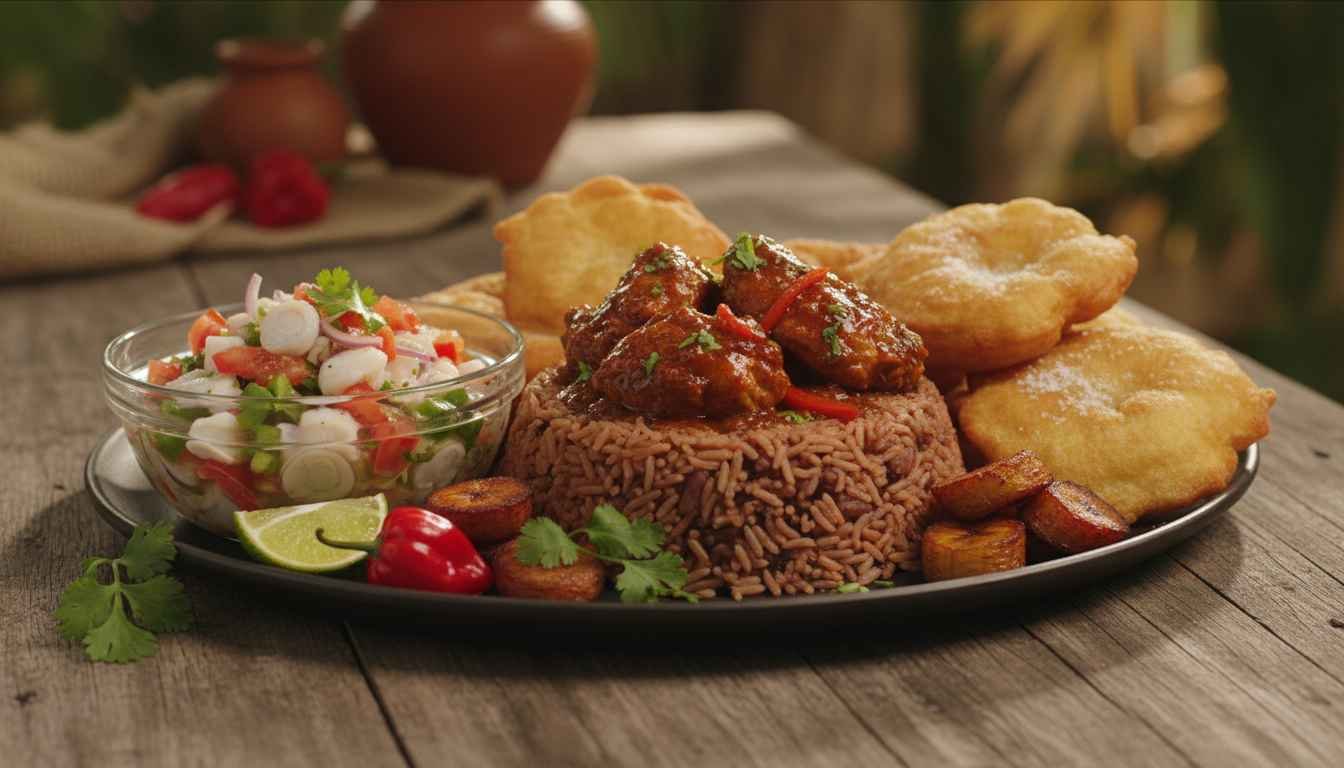
The average home cook wastes over 90 hours a year cycling through recipes that look good but deliver nothing nutritionally. That ends here. Belizean food recipes are not cute vacation dishes or watered-down Caribbean clichés. They are survival cuisine. Built from land, sea, heat, and necessity. When executed correctly, they deliver dense nutrition, metabolic support, and deep satiety without relying on ultra-processed garbage.
I approach Belizean cooking as a holistic nutritionist, not a trend chaser. These recipes were forged by Mayan, Garifuna, Creole, and Mestizo traditions. Every technique has a reason. Every ingredient pulls physiological weight. If you want soft flavors and empty calories, stop reading now.
This is a DIY breakdown in phases. You will understand the logic. You will control the inputs. And you will cook Belizean food the way it was intended, not the way social media diluted it.
Phase One Ingredient Intelligence Before You Touch Heat
Belizean food recipes begin with restraint. The base is not sauces or sugar. It is whole food architecture. Corn, beans, coconut, plantain, fresh fish, root vegetables, and slow-cooked meats dominate because they provide sustained energy and micronutrient density.
Coconut milk is not decoration. It supplies medium-chain triglycerides that support fat metabolism and hormonal stability. Black beans and red kidney beans are not filler. They deliver resistant starch and magnesium that stabilize blood glucose and gut function.
Traditional Belizean kitchens understood what modern nutrition science now confirms. Diets anchored in legumes, roots, and natural fats outperform refined grain and seed oil diets in metabolic markers. A 2019 peer-reviewed study in Nutrients demonstrated that traditional Caribbean-style diets rich in legumes and coconut fats were associated with improved insulin sensitivity and reduced inflammatory markers compared to Westernized diets.
This is the nutritional backbone you are building on. Respect it or your food collapses.
Phase Two Foundational Belizean Staples You Must Master
If you cannot execute the staples, do not attempt advanced recipes. Belizean food recipes rely on repetition and precision, not improvisation.
Rice And Beans The Non Negotiable Base
Real rice and beans are cooked in coconut milk, not water. Thyme, garlic, and onion provide antimicrobial and digestive support. This dish supplies complete amino acid profiles when paired with beans, something processed protein powders still struggle to replicate efficiently.
Cook low and slow. Rushing destroys texture and mineral absorption. When done right, this dish stabilizes appetite for hours.
Hudut The Gut Strengthener
Hudut combines mashed plantain with coconut-based fish stew. Plantains supply potassium and slow-digesting carbohydrates. The fish delivers omega-3 fatty acids critical for cardiovascular and neurological health.
This is functional eating. Not decorative plating.
Phase Three Protein Execution Without Nutritional Sabotage
Belizean food recipes handle protein with discipline. Frying is minimal. Stewing and grilling dominate because they preserve nutrients and prevent lipid oxidation.
Stewed chicken uses recado seasoning derived from annatto seeds, which contain carotenoids that act as antioxidants. This is not accidental coloring. It is biochemical defense.
Fresh fish like snapper and grouper are seasoned aggressively with citrus and herbs. Acid pre-digestion improves mineral bioavailability and reduces cooking time.
This is where restaurants like Copeland’s succeed when they respect Creole and Caribbean foundations. Flavor depth comes from process, not excess.
Phase Four Decision Matrix For Recipe Selection
|
If Your Goal Is |
Then Choose This Belizean Dish |
|
Blood sugar stability |
Rice and beans with stewed vegetables |
|
Anti inflammatory support |
Hudut with fresh snapper |
|
High satiety fat adaptation |
Coconut curry chicken |
|
Digestive reset |
Boil up with cassava and greens |
This matrix removes guesswork. Eat with intent or keep drifting.
Phase Five Cooking Techniques That Preserve Power
Overcooking destroys micronutrients. Under-seasoning sabotages digestion. Belizean food recipes demand balance.
Use cast iron or heavy-bottomed pots. They maintain temperature stability. Sudden heat spikes oxidize fats and degrade proteins.
Spices are bloomed in fat first. This releases fat-soluble compounds that improve absorption. Skipping this step weakens both flavor and function.
Salt is applied early and adjusted late. Sodium supports nerve conduction and fluid balance when used correctly. Fear-based cooking produces bland, nutritionally inferior food.
Phase Six Holistic Health Benefits Backed By Data
Belizean dietary patterns align with what metabolic research favors. High fiber intake from legumes and roots supports gut microbiota diversity. Coconut fats provide quick energy without insulin spikes.
The same 2019 Nutrients study observed reduced triglyceride levels and improved HDL cholesterol in populations consuming traditional Caribbean diets compared to Western controls.
This is not folklore. It is physiology.
Potential Drawbacks And Who Should Avoid This
Honesty matters. Belizean food recipes are not universally appropriate without adjustment.
Individuals with advanced kidney disease must monitor potassium intake from plantains and beans. Those with gallbladder dysfunction may struggle with higher coconut fat consumption.
Portion control matters. Traditional meals were paired with physical labor. Sedentary individuals must scale portions accordingly or face caloric excess.
Ignoring context turns good food into a problem.
Phase Seven Building Belizean Meals Into Modern Life
You do not need to cook everything from scratch daily. Batch cook rice and beans. Rotate proteins. Reheat gently to preserve texture.
Pair meals with fermented vegetables or citrus-based salads to enhance digestion. Hydration matters. Coconut-based dishes require adequate water intake to support electrolyte balance.
This is sustainable eating when done with intention.
Final Authority Statement
Belizean food recipes are not a trend. They are a nutritional system shaped by survival, culture, and environment. When respected, they outperform modern convenience diets in satiety, metabolic stability, and micronutrient density.
Cook them correctly or do not bother. Your body keeps score.