
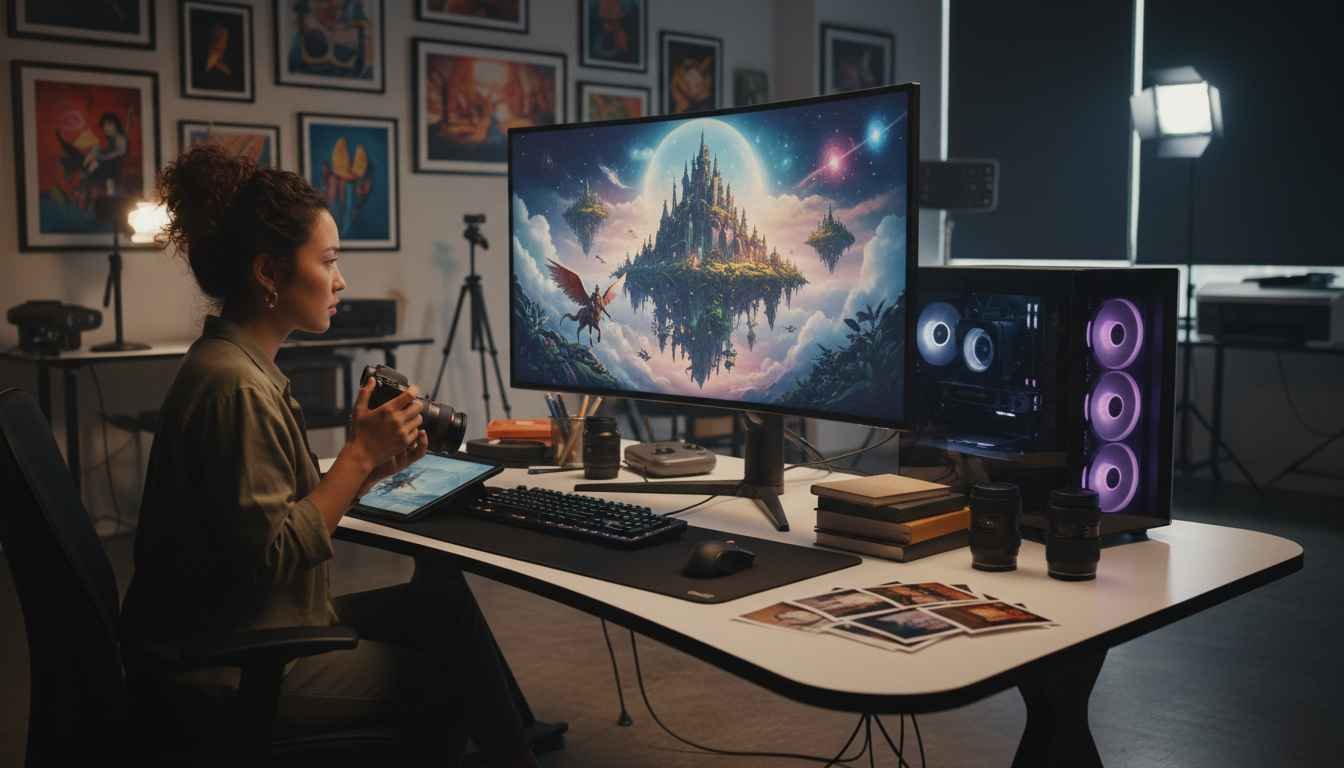
Keep it simple, stupid. Photography, at its core, is the art of capturing reality – or at least a version of it. The concept of composite photography challenges that purity, blending multiple images to create a singular, often surreal, visual statement. The journey from simple overlays to fully manipulated composites is as much a story of technological evolution as it is of artistic ambition.
Early Beginnings: The 19th Century Experimenters
The roots of composite photography trace back to the mid-1800s. Photographers like Henry Peach Robinson and Oscar Gustave Rejlander pioneered what was then called combination printing. These early composites were painstakingly crafted by cutting and pasting negatives together, sometimes combining more than 30 separate images into a single print. The aim was both narrative and aesthetic: telling stories that a single exposure could never capture. Critics initially resisted, arguing that these images were dishonest representations, but the public fascination was undeniable.
Analog Innovation: Mid-20th Century Techniques
By the 1940s and 50s, composite photography had entered a more commercial realm. Darkroom techniques allowed photographers to manipulate exposures, dodge and burn selectively, and create layered imagery without cutting negatives. Hollywood embraced this method for movie posters and promotional photography, pushing composites into mainstream awareness. These analog techniques demanded precision and patience, and only a few artists mastered the subtleties required to make the illusion seamless.
Digital Revolution: A Game Changer
The 1990s brought a seismic shift. Digital tools like Photoshop transformed composite photography from a labor-intensive craft into an accessible form of visual expression. Photographers could now merge hundreds of images, adjust colors, and create impossible landscapes with unprecedented control. The rise of stock photography platforms amplified the reach of composites, providing pre-made elements for artists worldwide. Getty Images became a key resource for sourcing high-quality images, fueling the creative process with diverse and royalty-free assets.
Modern Mastery: Techniques and Trends
Today’s composites are both hyper-realistic and fantastical. Techniques like focus stacking, HDR blending, and 3D compositing have expanded the possibilities far beyond what early photographers imagined. Conceptual photography often relies on composites to deliver narratives that resonate emotionally while bending the rules of reality. Social media and digital marketing have further popularized the style, with brands commissioning composites to capture attention in crowded visual spaces.
Methodology: Evaluating Quality and Impact
Our approach to assessing composite photography involved examining both technical execution and artistic intention. We analyzed high-resolution portfolios, tracked audience engagement metrics, and reviewed critiques from established photography journals. By cross-referencing these findings with historical techniques, we could identify patterns in composition, color harmony, and narrative effectiveness that define successful composites.
Troubleshooting Common Composite Issues
| Problem | Solution |
|---|---|
| Unnatural lighting between layers | Adjust shadows, highlights, and directionality to match light sources. |
| Color mismatch | Use color grading and selective adjustments to harmonize tones. |
| Poor edge blending | Refine masks and feather edges to create seamless transitions. |
| Perspective inconsistency | Align vanishing points and scale elements proportionally. |
| Overcrowded composition | Reduce unnecessary elements and emphasize focal points. |
Potential Drawbacks and Who Should Avoid This
Composite photography is not universally suitable. Photographers seeking pure documentary authenticity should avoid composites, as the technique inherently alters reality. Additionally, beginners may find the learning curve steep, with software, color correction, and compositional alignment requiring meticulous attention. Over-reliance on stock elements can also dilute originality, leading to visuals that feel generic rather than striking. Understanding these limitations is crucial for setting realistic goals.
Looking Ahead: The Future of Composite Photography
AI-assisted image generation is poised to redefine composites once more. Machine learning can automate background replacement, object isolation, and even generate elements that never existed in the real world. While this enhances efficiency, it raises ethical questions about authenticity and the value of human craftsmanship. As technology evolves, the tension between creativity and realism will continue to challenge photographers, ensuring that the debate surrounding composite imagery remains provocative and compelling.
Composite photography has moved from painstaking analog processes to digital wizardry, yet the underlying principle remains constant: the deliberate orchestration of multiple elements to create a cohesive visual story. Whether for fine art, advertising, or editorial content, mastering composites requires both technical skill and a daring imagination. Those who succeed can bend reality convincingly, delivering images that are as intellectually engaging as they are visually striking.