
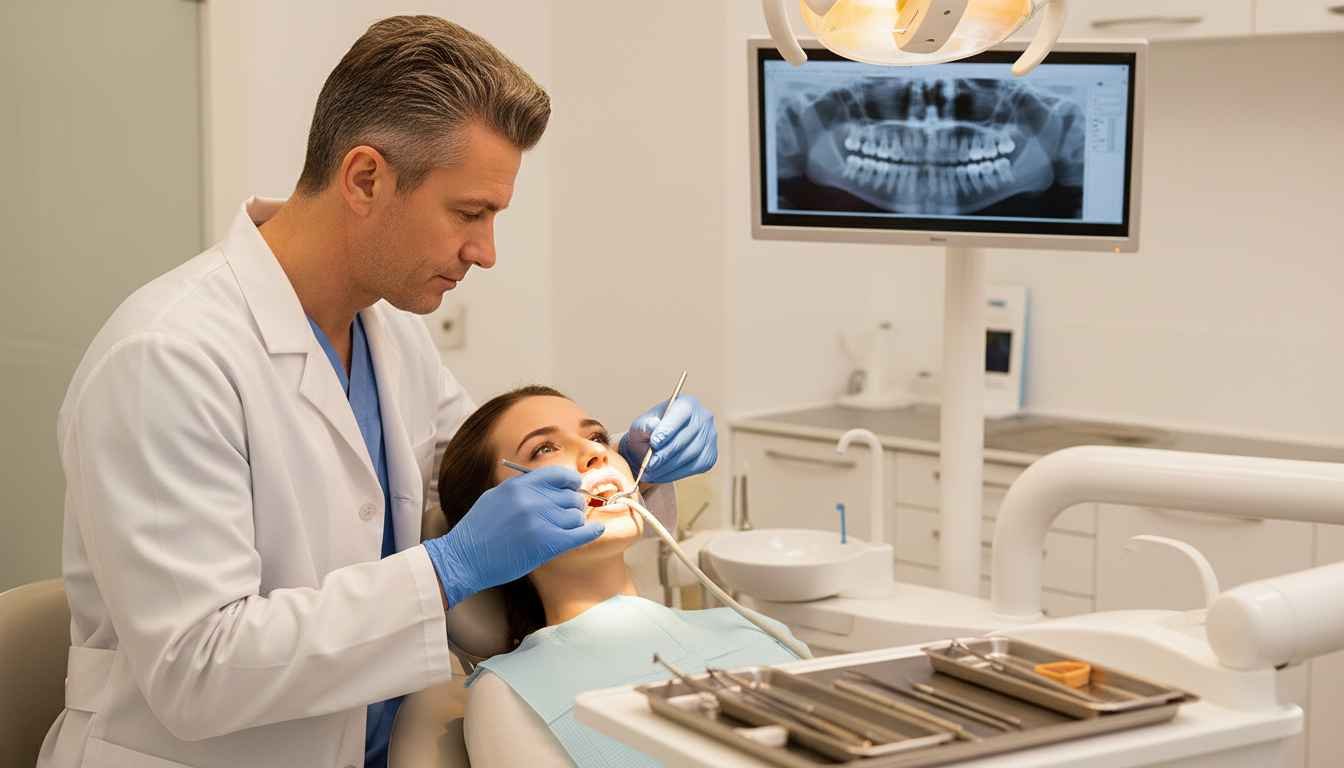
“I want to break free,” sang Queen, and in the world of medicine, patients often feel the same when dental health becomes a prerequisite for medical procedures. Dental clearance is a critical yet sometimes overlooked step before undergoing surgeries or complex treatments, serving as a gatekeeper between oral health and systemic safety. Understanding its benefits, challenges, and potential limitations can help both patients and healthcare providers make informed decisions.
Strengths
Dental clearance ensures that any underlying oral infections or complications are addressed prior to medical procedures. One of the primary strengths of this process is risk mitigation. Bacteria from untreated dental issues can enter the bloodstream during surgery, leading to severe complications such as infective endocarditis, prosthetic joint infections, or delayed wound healing. By identifying and managing these risks, dental clearance acts as a preventive shield.
Another notable advantage is improved patient outcomes. Studies have shown that patients who undergo dental evaluations before major medical treatments experience fewer postoperative infections and recover faster. This proactive approach integrates oral and systemic health, fostering a holistic treatment plan that aligns with modern medical standards.
Additionally, dental clearance facilitates clear communication between medical and dental teams. Surgeons, anesthesiologists, and dentists can coordinate effectively to ensure that no oral health issues compromise procedural safety. This interdisciplinary collaboration enhances overall patient care and reduces liability risks.
Weaknesses
Despite its benefits, dental clearance carries certain weaknesses. One major challenge is the variability in assessment criteria. Not all dentists follow the same guidelines, and medical providers may not consistently communicate specific clearance requirements. This inconsistency can lead to delays, unnecessary procedures, or even incomplete evaluations.
Time constraints present another limitation. Patients scheduled for urgent surgeries may find dental clearance a bottleneck, as the process often requires multiple visits, imaging, or dental treatments. This can create frustration and logistical hurdles, especially for complex cases involving high-risk patients.
Cost is also a consideration. Comprehensive dental assessments, including X-rays, cleanings, and treatments, may not always be covered by insurance. Patients may face unexpected out-of-pocket expenses, which could discourage timely compliance with medical recommendations.
Opportunities
One significant opportunity lies in integrating dental clearance into standard preoperative protocols. Hospitals and surgical centers can streamline the process by establishing in-house dental clinics or formal partnerships with dental providers. Such integration reduces delays and ensures consistency in patient care.
Advancements in technology also offer opportunities. Digital imaging, AI-assisted diagnostics, and electronic health record integration can improve accuracy and speed. For example, dentists can upload imaging results directly to a patient’s medical chart, enabling real-time collaboration with surgeons and anesthesiologists. This efficiency benefits both patients and healthcare teams.
Public health education represents another growth avenue. Informing patients about the importance of oral health before medical treatments can increase compliance and reduce complications. Awareness campaigns targeting high-risk populations, such as those undergoing cardiac surgery or chemotherapy, can make dental clearance a standard expectation rather than an optional precaution.
For detailed discussions on patient management and interdisciplinary collaboration, medical professionals can refer to BackTable, which offers expert insights and case-based guidance relevant to preoperative dental considerations.
Threats
Threats primarily revolve around patient non-compliance and systemic barriers. Some patients underestimate the importance of dental clearance, delaying evaluations or ignoring recommended treatments. This negligence can compromise medical outcomes and increase postoperative complications.
Resource limitations also pose a threat. Rural areas or underfunded healthcare systems may lack accessible dental services, creating barriers to timely clearance. Additionally, differences in insurance coverage and healthcare policy can exacerbate these disparities, leaving vulnerable populations at higher risk.
Another potential threat is the misalignment between medical and dental priorities. In some cases, a dentist may clear a patient from an oral perspective, while the medical team still identifies risks for surgery. Such discrepancies can lead to confusion, additional testing, or procedure postponements.
Potential Drawbacks
While dental clearance is generally beneficial, it is not without drawbacks. Invasive dental treatments can introduce temporary inflammation, discomfort, or minor infections, which may need to resolve before surgery. For patients with limited mobility, immunocompromised status, or severe dental anxiety, the process can be physically and emotionally taxing.
Timing is crucial; overly aggressive dental interventions immediately before surgery may inadvertently delay medical treatment. Careful coordination between dental and medical teams is essential to ensure that clearance benefits outweigh potential risks.
Who Should Avoid This?
Dental clearance is not universally necessary. Patients undergoing minor procedures with minimal infection risk may not require comprehensive evaluations. Similarly, individuals with excellent oral hygiene and no active dental issues may have their clearance simplified. However, for high-risk surgeries, including cardiac procedures, organ transplants, or orthopedic implants, skipping dental clearance can be dangerous.
FAQ
What is dental clearance for medical treatment?
Dental clearance is an evaluation conducted by a dentist to ensure a patient’s oral health will not compromise the safety or success of a planned medical procedure. It typically involves checking for infections, cavities, gum disease, and other oral concerns.
How long does the dental clearance process take?
The duration varies depending on patient needs. A simple evaluation may take one visit, while treatments such as extractions or deep cleanings could require multiple appointments. Coordination with the medical team is essential to avoid delaying surgery.
Is dental clearance mandatory for all surgeries?
No, it is generally required for high-risk procedures where oral bacteria could lead to complications. Your medical provider will determine whether clearance is necessary based on the type of surgery, patient health status, and potential infection risks.
Does insurance cover dental clearance?
Coverage depends on the patient’s dental and medical insurance plans. Some policies cover evaluations and basic treatments, but major dental procedures may require out-of-pocket payment. Patients should consult both providers to clarify coverage.
Can poor dental health delay surgery?
Yes. Untreated cavities, gum disease, or infections may necessitate dental treatment before surgery can safely proceed, which can delay medical treatment if not addressed promptly.