
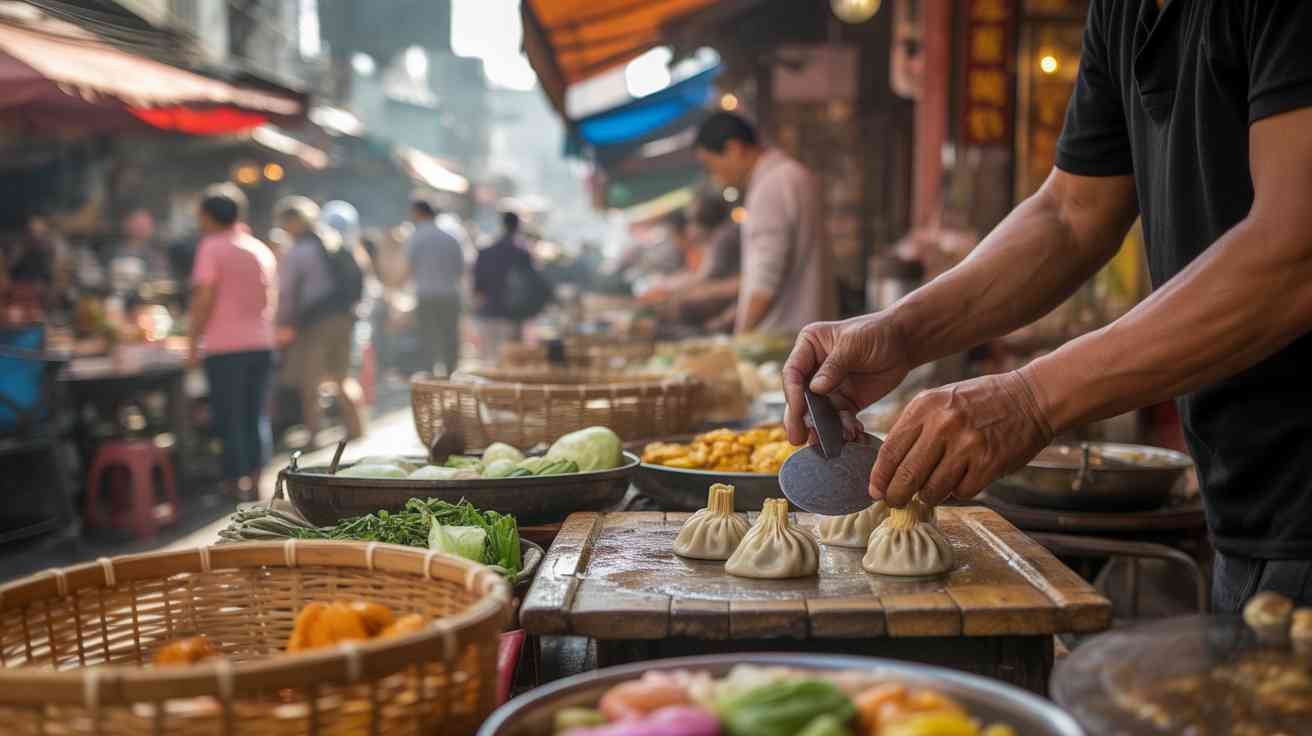
Imagine stepping off a plane into a bustling foreign city, the air thick with the scent of sizzling spices and freshly baked bread. Your senses are immediately overwhelmed by the vibrant colors of street food stalls, the rhythmic chatter of vendors, and the tantalizing aromas wafting through the streets. This is the essence of culinary travel – the art of discovering local cuisine, street food, and hidden culinary gems abroad. But here’s the catch: these authentic experiences are fleeting, often overshadowed by tourist traps and commercialized eateries. If you don’t act swiftly, you might miss out on the true flavors of a destination. So, how can you ensure you don’t fall into the touristy food pitfall? Let’s delve into the strategies that will lead you to the heart of a destination’s culinary scene.
1. Embrace the Street Food Culture
Street food is the soul of many cultures, offering a glimpse into the daily lives and traditions of locals. From the spicy tacos in Mexico City to the savory satay in Bangkok, street food vendors often serve recipes passed down through generations. These dishes are not just meals; they’re stories on a plate. However, the best vendors aren’t always easy to find. They might be tucked away in narrow alleys or set up only during specific hours. To uncover these hidden gems, start by observing where the locals eat. Follow the crowd, especially during peak meal times. Don’t be afraid to ask residents for recommendations – they often know the best spots that aren’t listed in guidebooks. Remember, the most authentic experiences often require a bit of effort to discover.
2. Seek Out Local Markets
Markets are the heartbeat of a city’s culinary scene. They offer a diverse array of fresh produce, spices, meats, and ready-to-eat dishes that reflect the region’s flavors. Visiting a local market allows you to sample a variety of foods in one place, from handmade dumplings in a Chinese market to freshly made pasta in an Italian mercato. These markets are also excellent places to interact with local vendors, learn about regional ingredients, and even pick up a few cooking tips. To make the most of your market visit, go early in the morning when the produce is freshest and the crowds are thinner. Bring cash, as many vendors may not accept cards, and be prepared to haggle – a common practice in many cultures.
3. Take a Culinary Walking Tour
One of the most immersive ways to explore a city’s food scene is by joining a culinary walking tour. These guided experiences take you through neighborhoods, introducing you to local eateries, street food stalls, and hidden culinary spots. Along the way, you’ll learn about the history and cultural significance of the dishes you sample. A good guide will not only lead you to delicious food but also provide insights into the city’s food culture, traditions, and even local gossip. To find reputable tours, look for those recommended by local tourism boards or trusted travel websites. Booking in advance is advisable, especially during peak tourist seasons.
4. Learn the Language Basics
While many tourist destinations have English-speaking staff, venturing into local eateries often requires some knowledge of the local language. Learning basic phrases like “What do you recommend?” or “How much is this?” can go a long way in building rapport with vendors and ensuring you get the best experience. Additionally, understanding the language can help you read menus, ask about ingredients, and avoid potential misunderstandings. Language apps, phrasebooks, or short language courses before your trip can equip you with the essentials. Even attempting to speak the local language, even if imperfectly, is often appreciated by residents and can lead to more authentic interactions.
5. Stay in Locally-Owned Accommodations
Choosing to stay in locally-owned accommodations, such as guesthouses or boutique hotels, can enhance your culinary travel experience. Hosts often provide insider tips on where to eat, recommend local specialties, and may even invite you to join them for a meal. Staying in residential neighborhoods rather than tourist districts allows you to explore areas less frequented by visitors, where hidden culinary gems await discovery. Additionally, many locally-owned accommodations offer cooking classes or food tours, providing hands-on experiences that deepen your understanding of the local cuisine.
6. Use Social Media and Food Apps
In today’s digital age, social media platforms and food apps are invaluable tools for discovering local cuisine. Platforms like Instagram allow you to follow food bloggers, chefs, and locals who share their culinary experiences and recommendations. Hashtags specific to a city or dish can lead you to hidden spots and trending eateries. Food apps like Yelp, TripAdvisor, and Google Maps provide user reviews, photos, and ratings that can help you choose where to eat. However, it’s essential to read reviews critically, as some may be biased or sponsored. Cross-referencing multiple sources can give you a more accurate picture of a restaurant’s quality.
7. Participate in Cooking Classes
Engaging in a cooking class offers a unique opportunity to delve deeper into a destination’s culinary traditions. Under the guidance of local chefs, you’ll learn to prepare traditional dishes using authentic ingredients and techniques. These classes often include visits to local markets to select fresh produce, providing a comprehensive culinary experience. Beyond learning new recipes, cooking classes allow you to connect with fellow travelers and locals, fostering cultural exchange. Many cooking schools also offer cultural insights, such as the history of certain dishes or the significance of specific ingredients in local culture.
8. Dine with Locals
One of the most enriching ways to experience a destination’s cuisine is by dining with locals. Platforms like EatWith and MealSharing connect travelers with hosts who invite guests into their homes for home-cooked meals. This intimate setting allows you to enjoy authentic dishes prepared with love and care, often accompanied by stories and traditions. Dining with locals provides a deeper understanding of their culture, values, and daily life. It’s an opportunity to ask questions, share experiences, and forge meaningful connections over a shared meal.
9. Be Adventurous and Open-Minded
Embarking on a culinary journey requires an open mind and a willingness to step out of your comfort zone. Don’t shy away from dishes that seem unfamiliar or ingredients that are new to you. Often, the most memorable meals are those that challenge your palate and introduce you to new flavors. Whether it’s trying fermented foods, exotic fruits, or unusual meats, embracing culinary adventures enriches your travel experience. Remember, food is a reflection of culture, and by exploring diverse cuisines, you’re gaining insights into the history, values, and creativity of different peoples.
10. Document Your Culinary Adventures
Keeping a food journal or blog allows you to document your culinary adventures, preserving memories of the dishes you’ve tried and the stories behind them. Include photos, recipes, and personal reflections to create a rich tapestry of your gastronomic journey. Sharing your experiences with friends, family, or fellow travelers can inspire others to embark on their culinary explorations. Additionally, reviewing your notes can help you remember favorite dishes and plan future culinary travels. In the age of social media, sharing your food experiences can also connect you with a global community of food enthusiasts.