
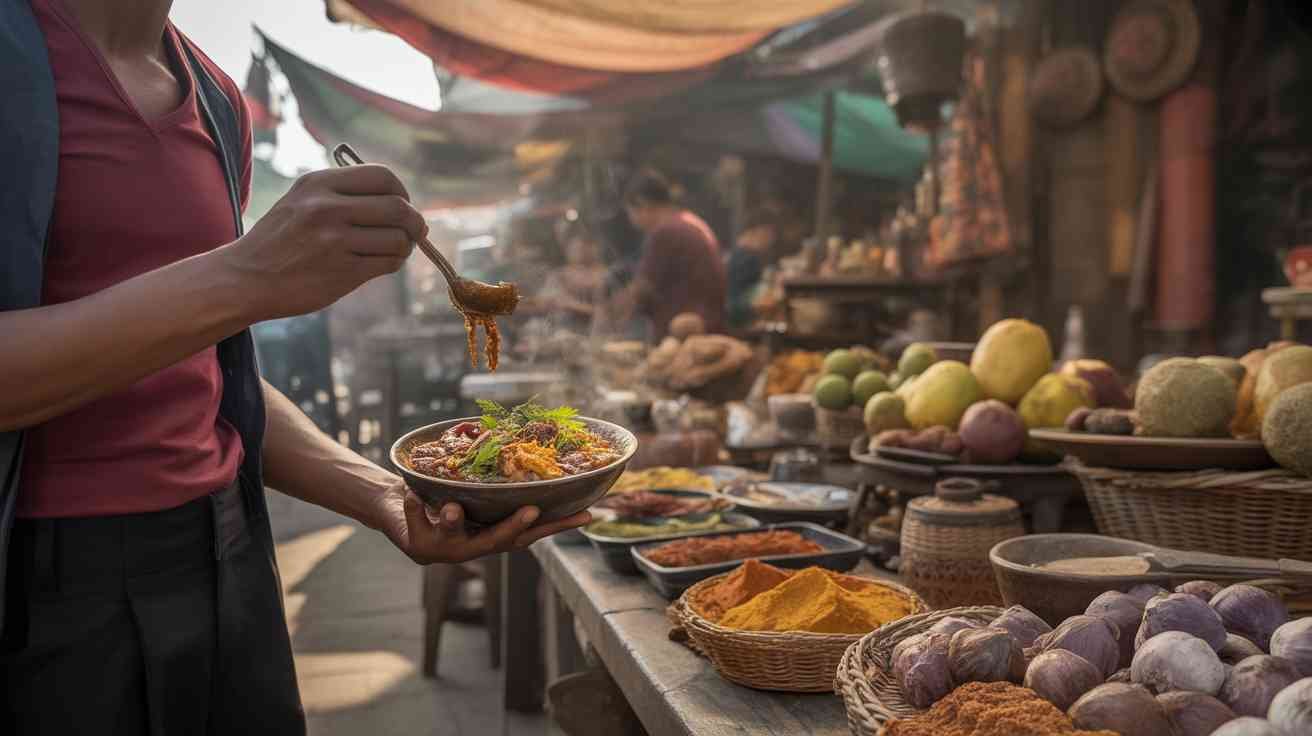
Imagine stepping off a plane into a world where every scent tells a story, every flavor is a memory, and every meal is a journey. This isn’t just travel – it’s a deep dive into the soul of a place, experienced through its food. If you’re not exploring local cuisines during your travels, you’re missing out on the most authentic, immersive, and unforgettable part of the adventure. Don’t let another destination pass you by without tasting its true essence. Here’s your ultimate guide to savoring the world, one bite at a time.
Why Local Cuisine is the Heartbeat of Travel
When you travel, you’re not just visiting landmarks or snapping photos; you’re seeking connections – connections to history, culture, and people. And what better way to forge these connections than through food? Local cuisine is a reflection of a region’s identity, shaped by centuries of tradition, geography, and community. It’s in the smoky aroma of grilled meats in Istanbul’s bazaars, the delicate balance of spices in a Thai curry, or the rich, comforting flavors of a Lahore biryani. Each dish tells a story, and when you taste it, you become part of that story.
But the urgency is real – these culinary traditions are disappearing. Globalization, modernization, and the homogenization of food are erasing the unique flavors of many cultures. UNESCO has recognized this threat by adding 11 new culinary traditions to its Intangible Cultural Heritage list, including Asturian cider culture from Spain and Korean jang sauces. These are not just recipes; they’re cultural lifelines. And once they’re gone, they’re gone forever. So, if you’re thinking about traveling, make food a priority – before it’s too late.
How to Find Authentic Culinary Experiences
Don’t settle for tourist traps or generic eateries. To truly taste a place, you need to go where the locals go. Start by visiting bustling markets, where the air is thick with the scent of fresh produce, spices, and street food sizzling on open flames. In Lahore, for instance, the chaotic energy of Anarkali Bazaar offers a sensory overload of colors, sounds, and smells. Here, you can sample everything from spicy chaat to creamy kulfi, each bite a testament to the city’s rich culinary heritage.
But markets are just the beginning. Seek out cooking classes and food tours led by locals who are passionate about sharing their culinary traditions. These experiences offer hands-on opportunities to learn recipes passed down through generations, often in intimate settings like family kitchens or traditional cooking schools. In many cultures, food is more than sustenance; it’s a way to connect, to share, and to preserve heritage. By participating, you’re not just tasting food – you’re becoming part of a living tradition.
Engaging Your Senses: A Feast Beyond Taste
Eating is not just about flavor; it’s a multisensory experience that engages sight, smell, sound, and touch. Picture yourself in a Marrakech souk, where the vibrant colors of spices – deep reds, golden yellows, and earthy browns – catch your eye. The air is filled with the intoxicating aromas of cumin, coriander, and cinnamon. Street vendors call out, offering freshly baked flatbreads and sizzling kebabs. As you bite into a warm, flaky pastry filled with honey and nuts, the crunch gives way to a sweet, melt-in-your-mouth filling that transports you to another time and place.
This sensory engagement is what makes food travel so powerful. It creates lasting memories and deepens your connection to the places you visit. And it’s not just about the food itself; it’s about the rituals, the stories, and the people behind it. Whether it’s a grandmother teaching you how to make pasta in a Tuscan villa or a street vendor sharing the secret to their spicy sauce in Bangkok, these experiences enrich your journey in ways that sightseeing alone cannot.
Preserving Culinary Traditions Through Travel
By choosing to explore local cuisines, you’re not just satisfying your palate – you’re helping to preserve cultural heritage. Many culinary traditions are at risk due to changing lifestyles, economic pressures, and the loss of traditional knowledge. Your interest and participation can make a difference. For example, UNESCO’s recognition of certain food traditions has brought global attention and support, helping to sustain practices that might otherwise fade into obscurity.
Moreover, your travel choices can influence local economies. Supporting family-run restaurants, local markets, and indigenous food producers helps sustain livelihoods and encourages the continuation of traditional practices. It’s a form of responsible tourism that benefits both you and the communities you visit. So, the next time you’re planning a trip, consider how your culinary choices can contribute to the preservation of the places you love.
Immersive Culinary Experiences You Can’t Miss
To truly immerse yourself in a destination’s culinary culture, seek out experiences that go beyond eating. Participate in food festivals, attend cooking demonstrations, or join local food tours. In Oaxaca, Mexico, for instance, you can join a mole-making workshop, learning the intricate process of grinding spices and chiles to create this complex sauce. In Japan, consider a sushi-making class where you can learn the delicate art of preparing vinegared rice and selecting the freshest fish.
These immersive experiences offer more than just a meal; they provide insight into the cultural significance of food, the techniques involved, and the stories behind each dish. They also offer opportunities to interact with locals, fostering connections that enrich your travel experience. And in many cases, these activities support small businesses and artisans, ensuring that culinary traditions continue to thrive.
Documenting Your Culinary Journey
As you explore local cuisines, take the time to document your experiences. Keep a travel journal where you note down recipes, ingredients, and cooking techniques you’ve learned. Take photographs of dishes, markets, and cooking classes. Record the names of local chefs or home cooks who have shared their knowledge with you. This documentation not only helps you remember your experiences but also allows you to share them with others, inspiring future travelers to embark on their own culinary adventures.
Sharing your experiences can also raise awareness about the importance of preserving culinary traditions. Write blog posts, create social media content, or even host a tasting event showcasing the dishes you’ve learned to prepare. By doing so, you contribute to a global movement that values and celebrates the diversity of food cultures.
Leveraging Technology to Enhance Your Culinary Exploration
In today’s digital age, technology can enhance your culinary travel experiences. Use apps and websites to research local dishes, find highly-rated food tours, or locate cooking classes. Platforms like TripAdvisor and Yelp offer reviews and recommendations from fellow travelers. Social media platforms, particularly Instagram and YouTube, are treasure troves of food content, featuring everything from street food videos to cooking tutorials.
Additionally, consider using online resources to learn about culinary traditions before you travel. Many chefs and food historians share their knowledge through blogs, podcasts, and online courses. This pre-trip education can enrich your understanding and appreciation of the food you’ll encounter, making your experiences more meaningful.
Don’t Wait – Start Your Culinary Adventure Today
The world is filled with flavors waiting to be discovered. From the spicy curries of India to the delicate pastries of France, every destination offers a unique culinary experience. But these traditions are fragile. As cultures evolve and global influences permeate, traditional dishes and cooking methods are at risk of disappearing.
Don’t let these flavors fade into history. Plan your next trip with food at the forefront. Seek out local markets, join cooking classes, and engage with the culinary traditions of the places you visit. By doing so, you not only enrich your own travel experience but also contribute to the preservation of global food heritage.
Ready to embark on your culinary adventure? Start planning today and savor the world, one bite at a time. Your taste buds – and the cultures you explore – will thank you.