
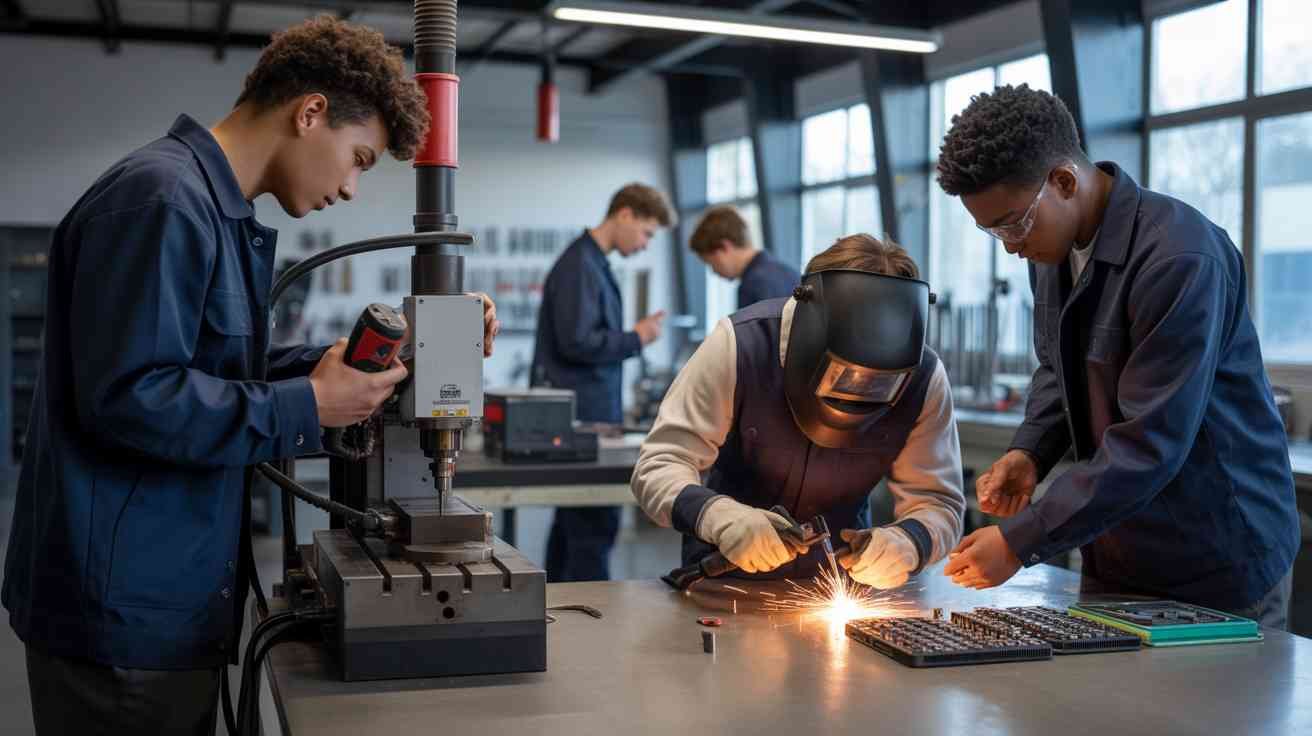
In today’s fast-paced world, where the job market is increasingly competitive and traditional academic paths often fall short in preparing students for real-world challenges, vocational education has emerged as a beacon of opportunity. It’s not just an alternative; it’s a strategic choice for those eager to step directly into meaningful employment. Imagine a classroom where theory meets practice, where students don’t just learn about the world but actively engage with it, acquiring skills that employers desperately seek. This is the transformative power of vocational education.
Vocational education offers a hands-on approach to learning, focusing on equipping students with specific skills and knowledge tailored to particular trades or careers. Whether it’s healthcare, information technology, culinary arts, or skilled trades, vocational programs provide targeted training that aligns with industry demands. This practical experience ensures that graduates are job-ready, minimizing the gap between education and employment.
One of the most compelling aspects of vocational education is its emphasis on real-world experience. Students often participate in internships, apprenticeships, or on-the-job training, allowing them to apply what they’ve learned in a professional setting. This exposure not only enhances their skills but also builds confidence, making them more attractive to potential employers.
Moreover, vocational education is often more affordable and time-efficient compared to traditional four-year college degrees. With shorter program durations and lower tuition costs, students can enter the workforce sooner, reducing the financial burden and opportunity cost associated with prolonged academic studies.
In many regions, vocational education is gaining recognition and support from governments and industries alike. Initiatives are being introduced to integrate vocational training into mainstream education systems, ensuring that students have access to quality programs that meet current job market needs. These developments signal a shift towards valuing practical skills and preparing students for the realities of the workforce.
For students with disabilities, special education webinars have become an invaluable resource. These online sessions provide tailored strategies and insights, helping educators and students navigate the unique challenges they face. By participating in these webinars, students can access specialized knowledge that enhances their learning experience and better prepares them for employment opportunities.
In conclusion, vocational education stands as a powerful tool in bridging the gap between education and employment. It offers students a clear pathway to meaningful careers, equipping them with the skills and experiences needed to succeed in today’s dynamic job market. As the demand for skilled professionals continues to rise, embracing vocational education is not just a choice; it’s a necessity for those aiming to thrive in their chosen fields.
The Rise of Vocational Education: A Global Perspective
Across the globe, vocational education is experiencing a renaissance. Countries are recognizing the importance of equipping their youth with practical skills that meet the evolving demands of the job market. This shift is not merely a trend but a strategic response to the challenges posed by technological advancements and changing economic landscapes.
In nations like Germany and Switzerland, vocational education has long been integrated into the education system, with students having the option to pursue apprenticeships alongside their academic studies. This model has proven successful in producing a highly skilled workforce that drives economic growth and innovation.
Similarly, in the United States, vocational education is gaining traction as an alternative to traditional college pathways. Programs are being developed to provide students with certifications and skills that are directly applicable to various industries, from healthcare to information technology. These initiatives aim to reduce the skills gap and ensure that employers have access to a pool of qualified candidates.
The rise of vocational education is also evident in the increasing number of partnerships between educational institutions and industries. These collaborations ensure that training programs are aligned with current industry standards and that students have access to the latest tools and technologies. Such partnerships enhance the employability of graduates and contribute to the overall competitiveness of the workforce.
As vocational education continues to expand globally, it is essential for students to stay informed about the opportunities available. Engaging with resources such as special education webinars can provide valuable insights and guidance, helping students make informed decisions about their educational and career paths.
Vocational Education: A Pathway to Employment
For many students, vocational education offers a direct route to employment. Unlike traditional academic pathways that may require years of study and uncertain job prospects, vocational programs are designed to equip students with the specific skills and knowledge needed for particular careers. This targeted approach increases the likelihood of securing employment upon graduation.
Industries such as healthcare, construction, information technology, and manufacturing are constantly seeking skilled professionals. Vocational education programs tailored to these fields provide students with the practical experience and technical expertise that employers value. By completing such programs, students position themselves as competitive candidates in the job market.
Furthermore, vocational education often includes components like internships, apprenticeships, or cooperative education experiences. These opportunities allow students to gain hands-on experience in real-world settings, enhancing their skills and building professional networks. Such experiences not only improve employability but also provide students with a clearer understanding of their chosen career paths.
The emphasis on practical skills in vocational education also means that students are better prepared to meet the immediate needs of employers. With a focus on job-specific competencies, graduates can transition smoothly into the workforce, reducing the time and resources employers spend on training new hires.
Incorporating special education webinars into vocational training programs can further enhance the learning experience. These webinars offer specialized knowledge and strategies for supporting students with disabilities, ensuring that all learners have the opportunity to succeed in their chosen careers.
Benefits of Vocational Education for Students
Vocational education offers numerous benefits to students, making it an attractive option for those seeking a practical and efficient path to employment. One of the primary advantages is the acquisition of job-specific skills that are directly applicable to various industries. This hands-on training ensures that students are well-prepared to meet the demands of their chosen careers.
Additionally, vocational education programs often have shorter durations compared to traditional college degrees, allowing students to enter the workforce more quickly. This accelerated timeline can be particularly appealing for individuals eager to start their careers and achieve financial independence.
Another significant benefit is the cost-effectiveness of vocational education. With lower tuition fees and the potential to earn income through apprenticeships or part-time work during training, students can minimize their educational expenses and reduce the financial burden associated with higher education.
Vocational education also provides students with a sense of direction and purpose. By focusing on specific career paths, students can set clear goals and work towards achieving them, leading to increased motivation and satisfaction. The practical nature of vocational training also fosters a strong work ethic and discipline, qualities that are highly valued by employers.
For students with disabilities, special education webinars can offer additional support and resources. These online sessions provide insights into best practices for inclusive education and strategies for overcoming challenges, ensuring that all students have the opportunity to succeed in vocational programs and beyond.
Vocational Education and the Changing Job Market
The job market is undergoing significant transformations, driven by technological advancements, globalization, and shifting economic trends. In this dynamic environment, vocational education plays a crucial role in preparing students for the evolving demands of various industries.
As automation and artificial intelligence continue to reshape the workforce, there is an increasing need for skilled professionals who can operate and maintain advanced technologies. Vocational education programs that focus on fields such as robotics, cybersecurity, and data analysis equip students with the expertise needed to thrive in these high-demand areas.
Moreover, the rise of the gig economy and freelance work has created new opportunities for individuals with specialized skills. Vocational education provides students with the training necessary to pursue independent careers or start their own businesses, offering greater flexibility and control over their professional lives.
In response to these changes, many vocational education programs are incorporating elements of digital literacy and entrepreneurship into their curricula. This approach ensures that students are not only technically proficient but also adaptable and innovative, qualities essential for success in the modern job market.
Special education webinars can further enhance the adaptability of vocational education by providing strategies for inclusive teaching and learning. These resources help educators create supportive environments that accommodate diverse learning needs, ensuring that all students can benefit from vocational training.
Challenges in Vocational Education and How to Overcome Them
While vocational education offers numerous benefits, it is not without its challenges. One of the primary obstacles is the perception that vocational training is inferior to traditional academic education. Overcoming this stigma requires concerted efforts from educators, policymakers, and industry leaders to highlight the value and importance of vocational skills.
Another challenge is ensuring that vocational programs are aligned with current industry needs. Rapid technological advancements and changing market demands necessitate continuous updates to curricula and training methods. Establishing strong partnerships between educational institutions and industries can help ensure that vocational education remains relevant and effective.
Access to quality vocational education is also a significant concern. In many regions, there is a lack of infrastructure, resources, and trained instructors, limiting opportunities for students. Addressing these disparities requires investment in educational facilities, professional development for educators, and policies that promote equitable access to vocational training.
For students with disabilities, additional challenges may include physical accessibility, tailored support services, and appropriate accommodations. Special education webinars can provide valuable guidance on addressing these issues, offering strategies for creating inclusive learning environments that meet the diverse needs of all students.
The Future of Vocational Education
The future of vocational education looks promising, with increasing recognition of its importance in preparing students for the workforce. As industries continue to evolve, vocational programs are adapting to provide training in emerging fields and technologies, ensuring that graduates are equipped with the skills needed for future careers.
Innovations in teaching methods, such as online learning platforms and virtual simulations, are expanding access to vocational education and enhancing the learning experience. These advancements allow students to gain practical experience in a flexible and convenient manner, breaking down traditional barriers to education.
Furthermore, the integration of soft skills training, such as communication, teamwork, and problem-solving, into vocational curricula is helping to produce well-rounded graduates who are not only technically proficient but also capable of thriving in collaborative and dynamic work environments.
For students with disabilities, the future of vocational education holds promise as well. Advances in assistive technologies and inclusive teaching practices are creating more opportunities for these students to participate in and benefit from vocational training programs. Special education webinars continue to play a vital role in disseminating knowledge and strategies for supporting students with diverse needs.
If you want to enhance your job prospects, exploring a Technological Education Curriculum can provide you with the practical skills that employers are seeking in today’s competitive market.