
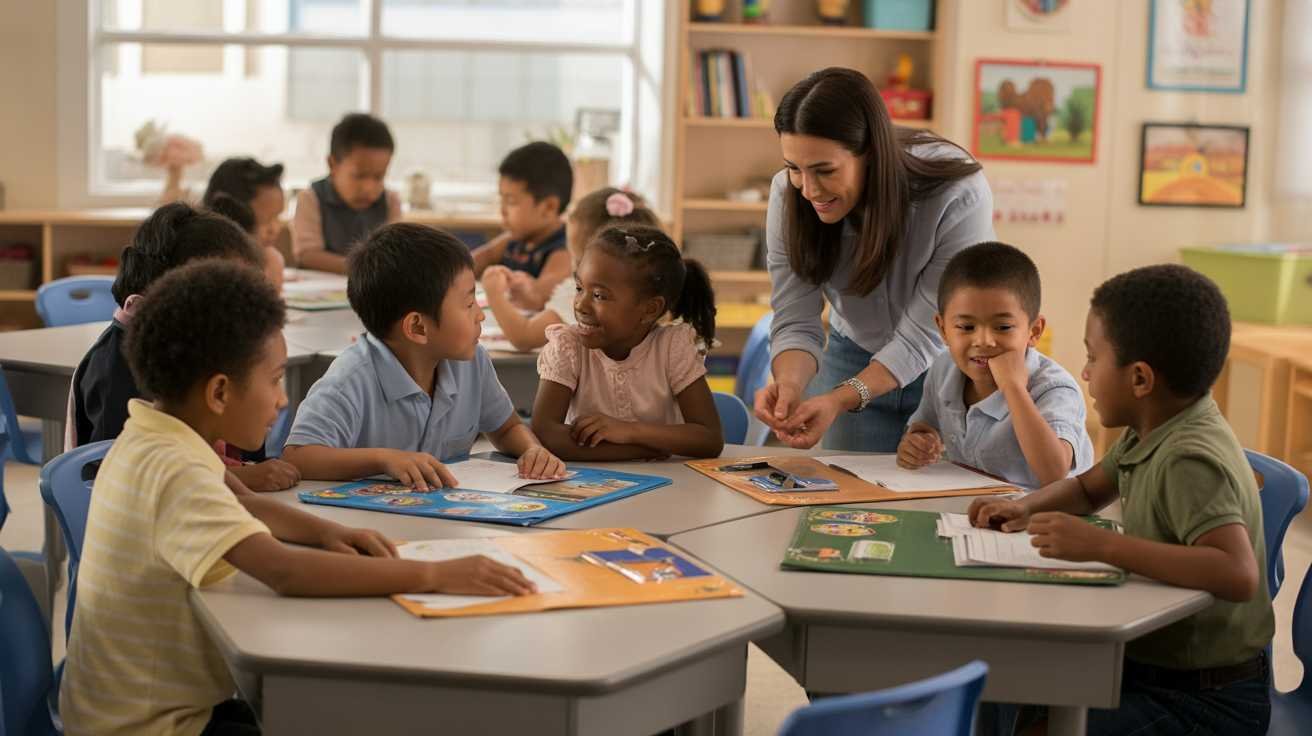
Imagine a classroom where every student feels seen, heard, and valued – a space where differences are celebrated, not merely tolerated. This isn’t a distant ideal; it’s a tangible reality waiting to be realized. The urgency to create such inclusive environments has never been greater, especially in regions like Angola, where educational disparities are stark, and the need for systemic change is critical.
In Angola, the education system faces significant challenges. Despite education being compulsory and free for eight years, approximately 2 million children remain out of school due to factors like inadequate infrastructure and a shortage of qualified teachers. The literacy rate, while improving, still lags behind global averages, and gender disparities persist, particularly in rural areas. These issues underscore the pressing need for inclusive classrooms that can bridge these gaps and provide equitable learning opportunities for all students.
Understanding the Importance of Inclusive Education
Inclusive education goes beyond accommodating students with disabilities; it encompasses creating a learning environment that respects and values the diverse backgrounds, abilities, and needs of all students. In Angola, where cultural and linguistic diversity is rich, embracing inclusivity means recognizing and celebrating this diversity within the classroom. By doing so, educators can foster a sense of belonging and community, which is essential for effective learning.
Research has shown that inclusive classrooms lead to improved academic outcomes, enhanced social skills, and greater self-esteem among students. When students see their identities and experiences reflected in the curriculum and teaching practices, they are more likely to engage actively and perform better. This approach not only benefits individual students but also enriches the learning experience for the entire class, promoting mutual respect and understanding.
Assessing the Current State of Education in Angola
Angola’s education system, though evolving, faces significant hurdles. The country has made strides in improving access to education, with a gross primary enrollment rate of 113%. However, challenges remain, including a high dropout rate and disparities between urban and rural education quality. In rural areas, infrastructure is often lacking, and schools may be overcrowded, making it difficult to implement inclusive practices effectively.
Gender disparities are also evident, with girls in rural regions facing additional barriers to education, such as early marriage and limited access to sanitary facilities. These factors contribute to lower attendance and higher dropout rates among female students. Addressing these issues requires targeted interventions that promote gender equality and ensure that all students have the resources and support they need to succeed.
Strategies for Building Inclusive Classrooms
Creating inclusive classrooms in Angola requires a multifaceted approach that involves policy changes, teacher training, community engagement, and resource allocation. One effective strategy is the implementation of culturally responsive teaching, which involves integrating students’ cultural backgrounds into the curriculum and teaching methods. This approach helps students see the relevance of their education and fosters a deeper connection to the learning material.
Another critical component is differentiated instruction, which tailors teaching methods to accommodate the diverse learning styles and abilities of students. This can include using visual aids, hands-on activities, and collaborative projects to engage students in meaningful ways. Additionally, providing professional development opportunities for teachers on inclusive practices ensures that educators are equipped with the knowledge and skills necessary to support all students effectively.
Overcoming Barriers to Inclusivity
Despite the best intentions, several barriers can impede the establishment of inclusive classrooms in Angola. Limited resources, including a shortage of teaching materials and inadequate school facilities, pose significant challenges. In some areas, schools lack basic amenities such as electricity and clean water, which can detract from the learning experience and hinder the implementation of inclusive practices.
Furthermore, societal attitudes towards disability and difference can affect how students are treated and included in the classroom. Stigma and discrimination may lead to the marginalization of certain students, making it essential to promote awareness and understanding within the school community. Engaging parents and community members in discussions about the importance of inclusion can help shift perceptions and build a supportive environment for all students.
The Role of Technology in Promoting Inclusion
Technology has the potential to transform education by providing innovative solutions to promote inclusivity. In Angola, where access to educational resources may be limited, digital tools can bridge gaps by offering interactive learning experiences and access to a wealth of information. For instance, online platforms can provide supplementary materials in multiple languages, catering to students from diverse linguistic backgrounds.
Assistive technologies, such as screen readers and speech-to-text software, can support students with disabilities, enabling them to participate fully in classroom activities. Additionally, technology can facilitate communication between teachers, students, and parents, fostering a collaborative approach to education that is essential for inclusivity. However, ensuring equitable access to technology is crucial to prevent further disparities in education.
Policy Initiatives Supporting Inclusive Education
The Angolan government has recognized the importance of inclusive education and has taken steps to address the challenges within the system. The implementation of the Education Law (2021) mandates free and compulsory primary education for six years, aiming to increase enrollment and reduce dropout rates. However, approximately 2 million children are still out of school, highlighting the need for more effective policies and interventions.
International organizations and non-governmental organizations (NGOs) have also played a pivotal role in supporting inclusive education initiatives in Angola. Programs focusing on teacher training, infrastructure development, and community engagement have been instrumental in promoting inclusive practices. Collaboration between the government, NGOs, and local communities is essential to create sustainable changes that benefit all students.
Success Stories from Inclusive Classrooms in Angola
Despite the challenges, there are inspiring examples of inclusive classrooms in Angola that demonstrate the positive impact of inclusive education. In various regions, schools have implemented programs that integrate students with disabilities into regular classrooms, providing them with the support they need to succeed. These initiatives have not only improved academic outcomes for students with disabilities but have also fostered a culture of acceptance and respect among all students.
Community involvement has been a key factor in the success of these programs. Parents and local leaders have actively participated in the development and implementation of inclusive education strategies, ensuring that they are culturally appropriate and meet the specific needs of the community. These success stories highlight the potential for inclusive education to transform lives and communities when supported by collaborative efforts.
Call to Action: Building the Future Together
The journey towards inclusive classrooms in Angola is ongoing, and the need for continued effort is urgent. Every child deserves the opportunity to learn in an environment that respects and values their uniqueness. Educators, policymakers, parents, and communities must work together to overcome the barriers to inclusion and create classrooms where all students can thrive.
Now is the time to act. By investing in teacher training, improving school infrastructure, promoting inclusive policies, and fostering community engagement, Angola can build an education system that truly respects student diversity. The future of the nation’s children depends on the actions taken today. Let us commit to building inclusive classrooms that not only educate but also empower every student to reach their full potential.
If you want to foster a deeper understanding of your students’ learning processes, consider integrating strategies like education usa fairs that promote inquiry-based learning and ignite their natural curiosity.
If you want to enhance your child’s learning experience, consider planning educational family vacations that integrate fun with valuable lessons from the world around them.
If you want to transform your teaching approach, understanding the principles of elementary education philosophy can significantly enhance student engagement during lessons.