
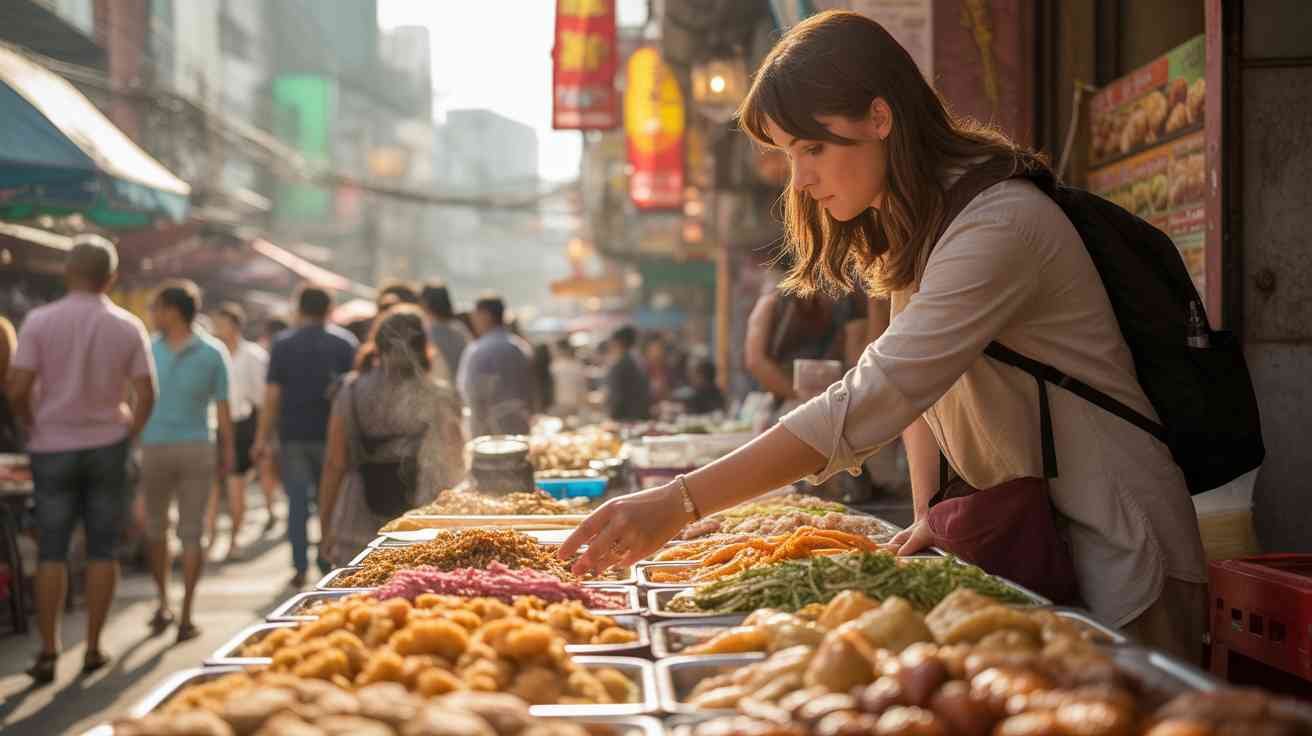
Imagine wandering through the vibrant streets of Bangkok, the air thick with the tantalizing aroma of sizzling satay skewers and spicy pad Thai. Your senses are alive with the hustle and bustle of the night market, and your stomach growls in anticipation. But wait – before you take that first bite, have you considered the potential risks lurking in that delicious-looking dish? Street food is an integral part of the travel experience, offering a taste of local culture and flavor. However, indulging in these culinary delights without caution can lead to unpleasant consequences. In this guide, we’ll explore how to enjoy street food safely while traveling, ensuring your adventures remain memorable for all the right reasons.
Understanding the Risks of Street Food
Street food vendors often operate in open-air environments, where cleanliness standards may vary significantly. In some regions, the lack of proper sanitation facilities can lead to contamination of food and water sources. For instance, in parts of Southeast Asia, it’s not uncommon to find food prepared in unsanitary conditions, increasing the risk of foodborne illnesses. Common culprits include E. coli, Salmonella, and Norovirus, which can cause symptoms ranging from mild stomach discomfort to severe gastroenteritis. It’s essential to be aware of these risks and take preventive measures to protect yourself while still enjoying the local cuisine.
Choosing the Right Vendor
Not all street food vendors are created equal. To minimize health risks, opt for stalls that are busy with locals. A long line often indicates that the food is fresh and popular. Pay attention to the cleanliness of the vendor’s setup – ensure that food is covered, utensils are clean, and the area is free from flies and other pests. Trust your instincts; if something feels off, it’s better to pass on that particular vendor. Remember, the goal is to savor the flavors of the destination without compromising your health.
What to Eat and What to Avoid
When it comes to street food, some items are safer than others. Cooked foods served hot are generally safer than raw items. For example, grilled meats, stir-fried dishes, and soups are less likely to harbor harmful bacteria compared to salads or fruits that may have been washed with contaminated water. In countries with questionable water quality, it’s advisable to avoid unpeeled fruits and vegetables, as they may carry pathogens. Additionally, steer clear of dishes that have been sitting out for extended periods, as they can become breeding grounds for bacteria.
Hydration and Water Safety
Drinking contaminated water is one of the most common ways travelers fall ill. In many countries, tap water isn’t potable, and consuming it can lead to serious gastrointestinal issues. Always opt for bottled water from reputable brands, and ensure that the seal is intact before opening. Be cautious with ice, as it may be made from unfiltered water. In some destinations, it’s advisable to carry a portable water purifier or purification tablets as a backup. Staying hydrated is crucial, but it’s equally important to ensure that the water you’re consuming is safe.
Maintaining Personal Hygiene
Good personal hygiene is a simple yet effective way to prevent foodborne illnesses. Before eating, wash your hands thoroughly with soap and water. If soap and water aren’t available, use a hand sanitizer with at least 60% alcohol. Avoid touching your face, especially your eyes, nose, and mouth, as this can transfer germs from your hands to these areas. Carrying disinfectant wipes can also be helpful for cleaning utensils or surfaces before eating. By maintaining proper hygiene, you reduce the risk of introducing harmful bacteria into your system.
Recognizing Symptoms of Foodborne Illness
Even with all precautions, there’s still a slight chance of falling ill. It’s essential to recognize the early signs of foodborne illnesses, which can include nausea, vomiting, diarrhea, stomach cramps, and fever. If you experience any of these symptoms, it’s crucial to stay hydrated and seek medical attention if necessary. In many tourist destinations, pharmacies can provide over-the-counter medications to alleviate symptoms. However, if symptoms persist or worsen, consult a healthcare professional promptly.
Travel Insurance and Medical Assistance
Before embarking on your culinary adventures, ensure that you have comprehensive travel insurance that covers medical expenses abroad. This can provide peace of mind knowing that you’re protected in case of illness or injury. Many insurance policies also offer 24/7 emergency assistance services, which can be invaluable if you need medical attention in a foreign country. Additionally, familiarize yourself with the location of the nearest hospital or clinic to your accommodation, so you’re prepared in case of an emergency.
Embracing the Experience Responsibly
Street food is more than just a meal; it’s a window into the culture and traditions of a place. By taking the necessary precautions, you can enjoy these culinary experiences without compromising your health. Remember, the goal is to savor the flavors of the destination responsibly. Share your experiences with fellow travelers, and encourage them to take similar precautions. By doing so, you contribute to a safer and more enjoyable travel experience for everyone.