
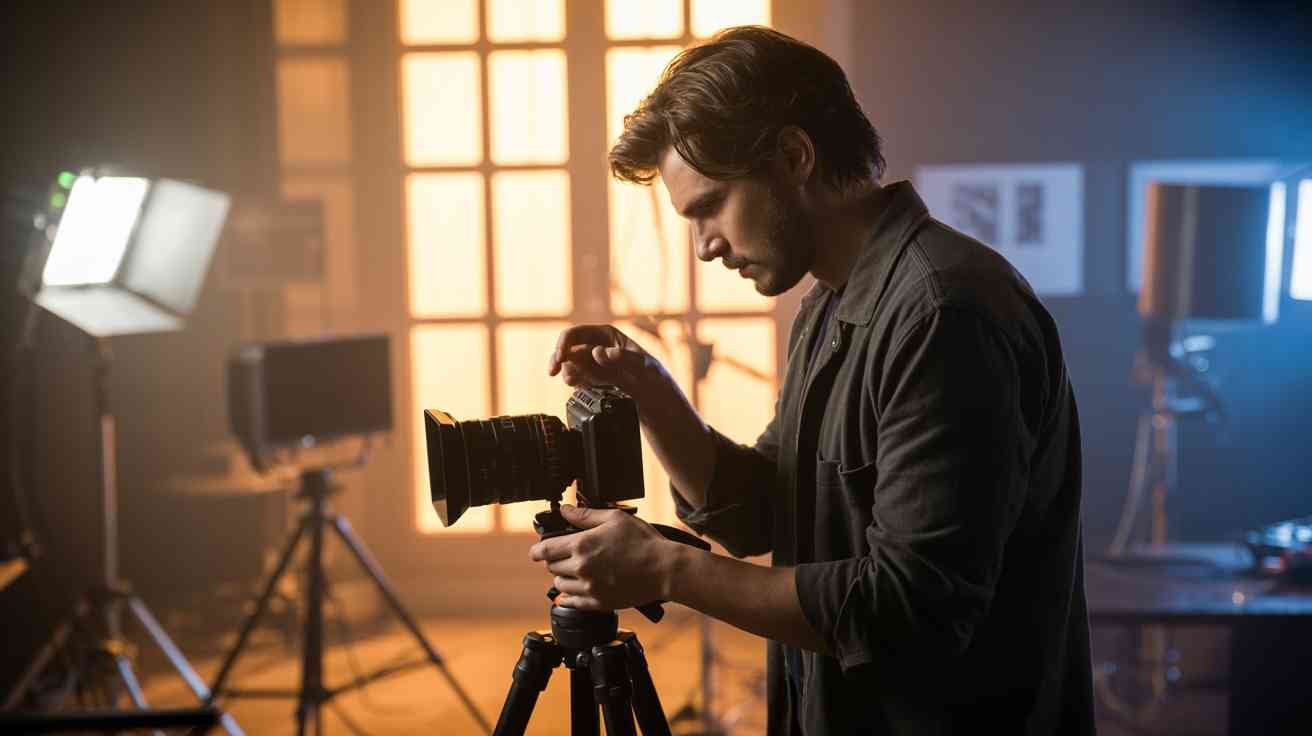
Imagine standing at the edge of a cliff, the golden hues of the setting sun casting long shadows over a vast, untouched landscape. The crisp air carries the scent of pine and earth, and the distant sound of a river rushing over rocks adds a rhythmic backdrop to the scene. With a camera in hand, you have the power to transform this fleeting moment into a timeless visual narrative. But how do you master the art of capturing such breathtaking scenes? The answer lies in understanding and applying cinematography techniques that elevate your storytelling.
Understanding the Essence of Cinematography
Cinematography is more than just operating a camera; it’s about conveying emotions, setting moods, and telling stories through visuals. It’s the art of capturing the essence of a scene, whether it’s the serene beauty of a sunrise or the intense drama of a stormy night. To truly master cinematography, one must delve into its core elements: composition, lighting, camera movement, and color. Each of these components plays a pivotal role in shaping the narrative and guiding the audience’s emotions.
Composition involves framing the shot in a way that directs the viewer’s attention to the most important elements. It’s about balancing the elements within the frame to create harmony and focus. Lighting, on the other hand, sets the mood and atmosphere of the scene. The interplay of light and shadow can evoke feelings of warmth, mystery, or tension. Camera movement adds dynamism and perspective, allowing the audience to experience the scene from different viewpoints. Lastly, color can symbolize themes, time periods, or emotions, subtly influencing the viewer’s perception.
By understanding and mastering these elements, you can transform ordinary scenes into compelling visual narratives that resonate with your audience.
Mastering Composition for Impactful Storytelling
Composition is the foundation of cinematography. It’s the first step in guiding the viewer’s eye and setting the tone for the story. One of the fundamental rules in composition is the Rule of Thirds. By dividing the frame into a 3×3 grid, you can place key elements along these lines or at their intersections, creating a balanced and engaging shot. However, rules are meant to be broken. Sometimes, centering a subject or using symmetry can create a more powerful image, depending on the narrative you’re trying to convey.
Leading lines are another powerful compositional tool. Roads, rivers, or beams of light can lead the viewer’s eye to the subject, creating depth and perspective. Framing within the frame, such as shooting through a doorway or between branches, can add layers to the image and focus attention. Negative space, or the empty areas around the subject, can emphasize isolation or freedom, depending on its use.
In outdoor settings, natural elements like trees, mountains, and bodies of water can serve as both subjects and compositional tools. The vastness of the landscape can evoke feelings of awe, while close-up shots of textures like bark or leaves can create intimacy. By thoughtfully composing your shots, you can enhance the storytelling and emotional impact of your visuals.
Utilizing Natural Light to Enhance Mood
Lighting is the soul of cinematography. In outdoor environments, natural light offers a dynamic and ever-changing palette. The golden hour, shortly after sunrise and before sunset, provides soft, warm light that adds a magical quality to scenes. The harsh midday sun, while challenging, can create dramatic shadows and high contrast, suitable for intense or gritty narratives.
Understanding the direction and quality of light is crucial. Backlighting can create silhouettes, adding mystery or emphasizing shapes. Side lighting can highlight textures and create depth. Overcast days provide diffused light, reducing shadows and creating a soft, even illumination that’s perfect for portraits or subtle scenes.
Incorporating reflectors or diffusers can help control the light, bouncing sunlight onto the subject or softening harsh rays. These tools are invaluable in outdoor cinematography, where the sun’s position and intensity can change rapidly. By mastering the use of natural light, you can enhance the mood and atmosphere of your scenes, making them more immersive and emotionally resonant.
Exploring Camera Movements to Tell a Story
Camera movement adds a dynamic element to cinematography, guiding the audience’s perspective and enhancing the narrative. A slow, steady dolly in can draw the viewer closer to a subject, building intimacy or tension. A swift pan can convey urgency or excitement, while a tilt can reveal new information or change the scene’s context.
In outdoor settings, camera movements can also interact with the environment. Tracking shots along a trail can immerse the viewer in the journey, while crane shots over a landscape can showcase the vastness and beauty of the surroundings. Handheld shots can add a sense of realism and immediacy, making the audience feel as though they’re experiencing the scene firsthand.
It’s essential to plan camera movements in advance, considering the terrain and potential obstacles. In an outdoor education camp setting, for instance, navigating through dense forests or rocky paths requires careful coordination and preparation. By thoughtfully incorporating camera movements, you can add depth and energy to your visual storytelling.
Harnessing the Power of Color in Your Visual Narrative
Color is a potent storytelling tool in cinematography. It can set the tone, evoke emotions, and symbolize themes. Warm colors like reds and oranges can convey passion, warmth, or danger, while cool colors like blues and greens can evoke calmness, sadness, or mystery. The choice of color palette can significantly influence the audience’s perception and emotional response.
In outdoor cinematography, the natural environment offers a rich array of colors. The vibrant greens of forests, the deep blues of lakes, and the golden hues of sunsets can all be utilized to enhance the narrative. Additionally, color grading in post-production allows for further manipulation, adjusting the mood and tone to align with the story’s themes.
It’s important to maintain consistency in color choices to avoid distracting the viewer. A cohesive color scheme can unify the visual elements and strengthen the storytelling. By thoughtfully applying color in your cinematography, you can create a more immersive and emotionally engaging experience for your audience.
Incorporating Sound to Complement Visuals
Sound is an integral part of cinematography, often working in tandem with visuals to create a cohesive narrative. In outdoor settings, natural sounds like rustling leaves, flowing water, or birdsong can enhance the realism and immersion of a scene. These ambient sounds can establish the setting and mood, grounding the viewer in the environment.
Dialogue and sound effects further enrich the narrative, providing context and emphasizing key moments. The sound of footsteps crunching on gravel, the snap of a twig breaking, or the distant rumble of thunder can add layers of meaning and tension to a scene.
It’s essential to capture high-quality sound during filming, as poor audio can detract from even the most stunning visuals. Using directional microphones and windshields can help isolate desired sounds and minimize unwanted noise. Additionally, sound design in post-production allows for the addition of ambient sounds, music, and effects to further enhance the storytelling.
Editing Techniques to Refine Your Visual Storytelling
Editing is where the magic of cinematography comes together. It’s the process of selecting the best shots, arranging them in a coherent sequence, and adding elements like sound, music, and effects to enhance the narrative. The pacing of edits can influence the rhythm and tension of a scene, guiding the audience’s emotional journey.
In outdoor cinematography, editing can also address challenges like varying light conditions or environmental noise. Color correction can balance exposure and white balance, ensuring consistency across shots. Audio editing can remove unwanted sounds and enhance clarity, while visual effects can add elements like weather effects or digital enhancements.
It’s important to maintain a clear vision of the story during the editing process, ensuring that each decision serves the narrative. By thoughtfully editing your footage, you can transform raw material into a polished and compelling visual narrative that resonates with your audience.
Practical Tips for Outdoor Cinematography
Embarking on outdoor cinematography requires preparation and adaptability. Here are some practical tips to enhance your shooting experience:
1. Plan Ahead: Research your location, understand the weather patterns, and scout potential shooting spots. This preparation allows you to anticipate challenges and make informed decisions on-site.
2. Pack Smart: Bring only the necessary equipment to avoid being weighed down. Essential items include a camera, lenses, tripod, filters, and audio recording gear. Consider the terrain and pack accordingly.
3. Respect Nature: Follow Leave No Trace principles to minimize your environmental impact. Stay on designated trails, pack out all trash, and avoid disturbing wildlife.
4. Be Adaptable: Outdoor conditions can change rapidly. Be prepared to adjust your plans and techniques to accommodate shifting light, weather, or unforeseen obstacles.
5. Practice Safety: Always prioritize safety. Inform someone of your whereabouts, carry a first aid kit, and be aware of potential hazards in the environment.
By following these tips, you can enhance your outdoor cinematography skills and create stunning visual narratives that captivate your audience.
Learning Opportunities at Outdoor Education Camps
Outdoor education camps offer invaluable opportunities to hone your cinematography skills in real-world settings. These camps provide hands-on experience, allowing you to apply techniques in diverse environments and scenarios. Under the guidance of experienced instructors, you can learn to navigate the challenges of outdoor cinematography, from unpredictable weather to challenging terrains.
Participating in an outdoor education camp not only enhances your technical skills but also fosters creativity and collaboration. Working alongside fellow aspiring cinematographers, you can share ideas, learn from each other, and develop a unique visual style. The immersive experience of an outdoor education camp can accelerate your learning and deepen your passion for cinematography.
Don’t miss the chance to elevate your cinematography skills and capture stunning visual narratives. Enroll in an outdoor education camp today and embark on a journey of creativity and discovery.
If you want to enhance your skills in graphic design and illustration while exploring reup education careers, this article provides essential tips and tools to create captivating visual content.
If you want to enhance your skills in digital photography, exploring programs like the usd education major can provide you with the foundational techniques needed to capture stunning, professional-quality images.
To learn more about enhancing your photography skills, explore the anagram of education to unlock techniques that will elevate your images to a professional level.
If you want to elevate your skills in concept art and character design, understanding the california education standards will provide you with essential guidelines and resources to enhance your creative journey.